
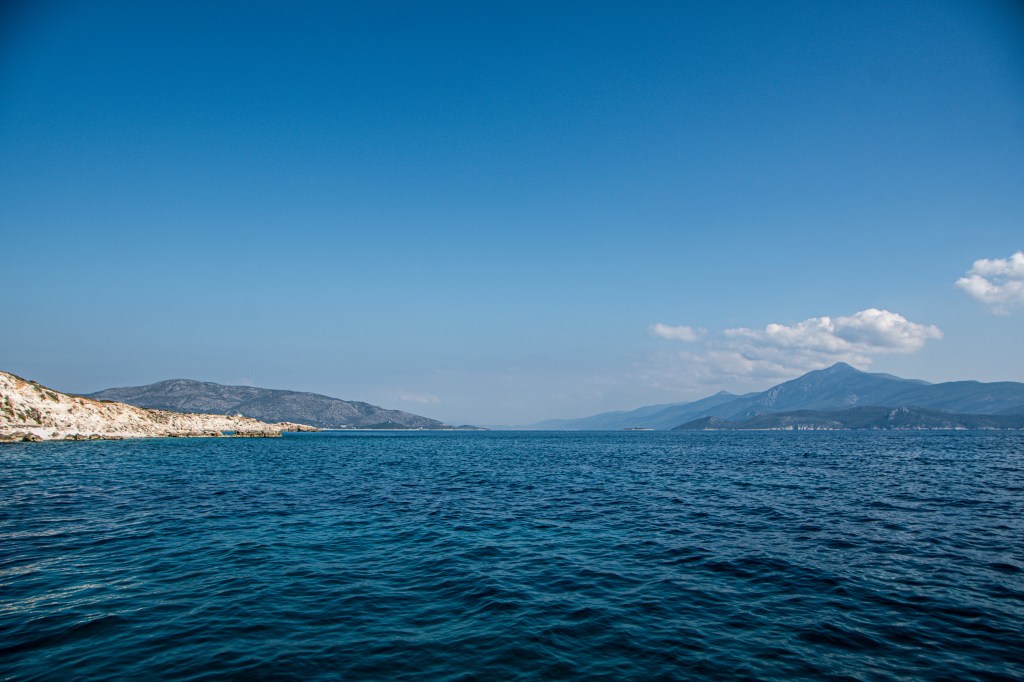
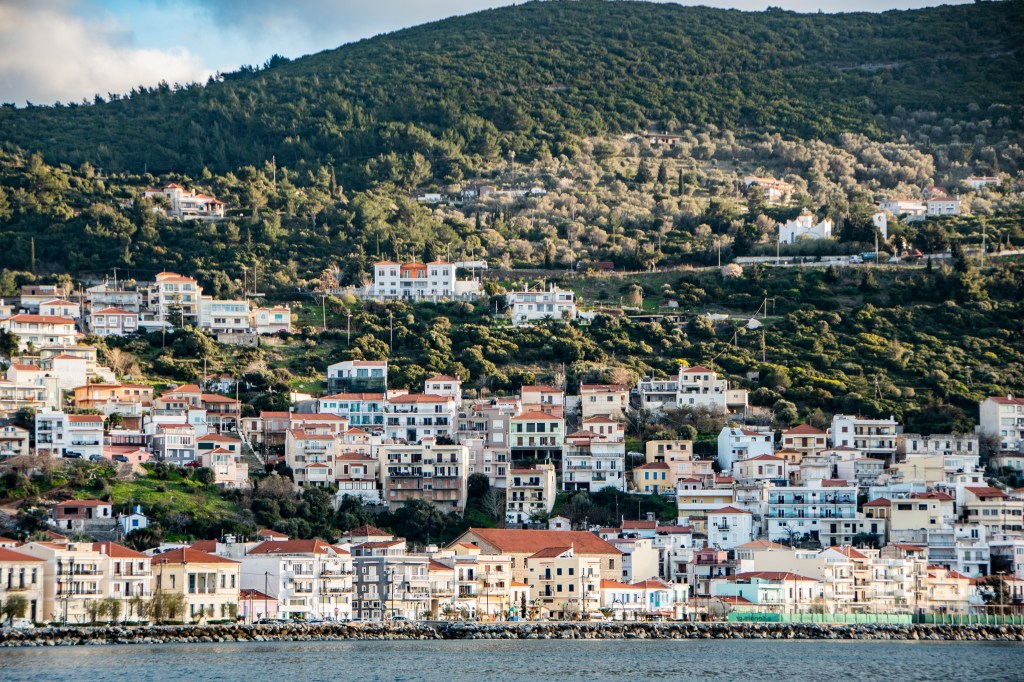
The Greek island of Samos shares a maritime coast with the nation of Turkey, making it a hot landing spot for people from war-torn and politically unstable homelands who are seeking refuge and a hopeful future in a different land. Spending only a brief amount of time there inflicted a duality of emotions: awe and wonder of the physical beauty of the island, as well as the gut-wrenching reality of the pain and suffering that goes on in the proximity of this place.
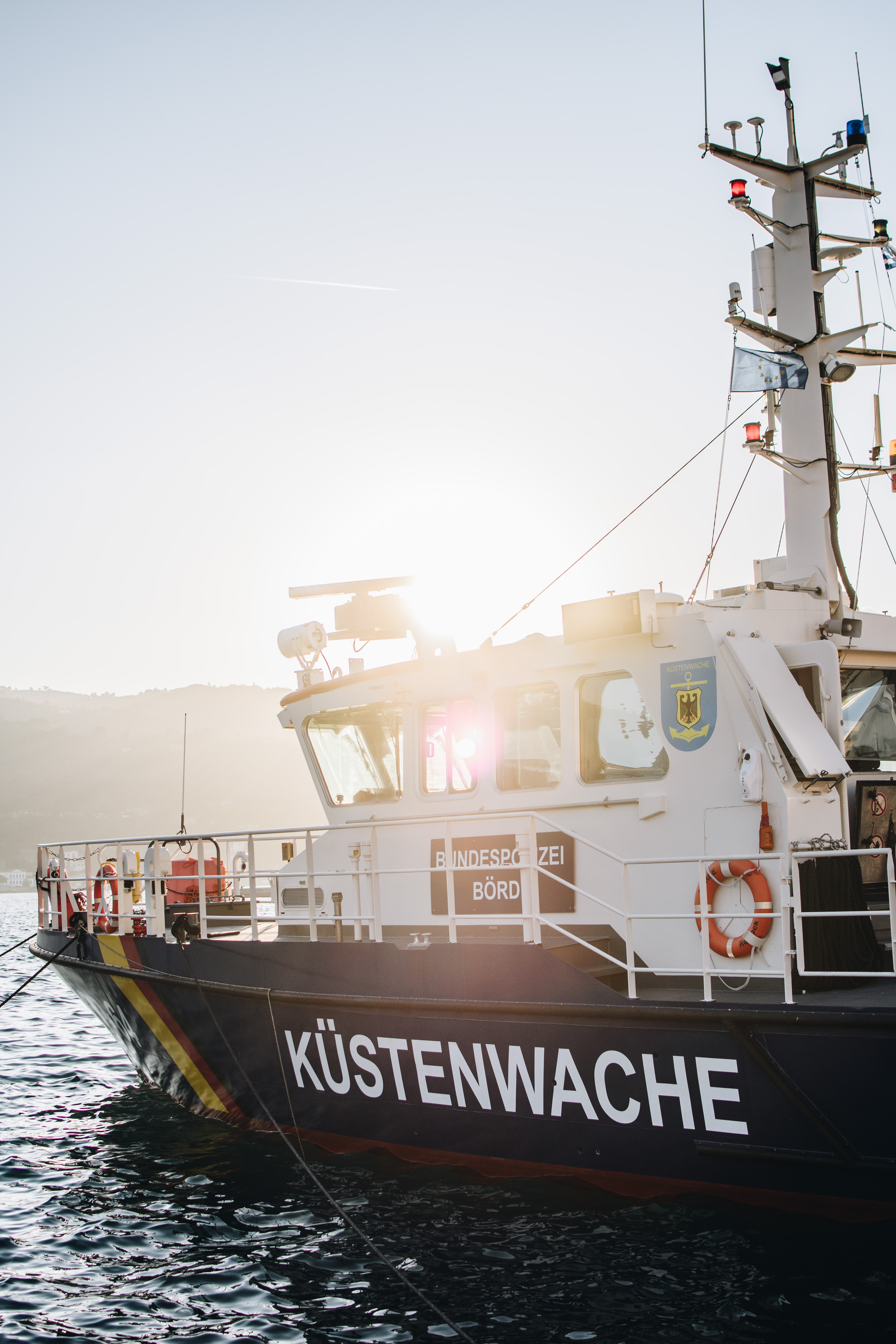
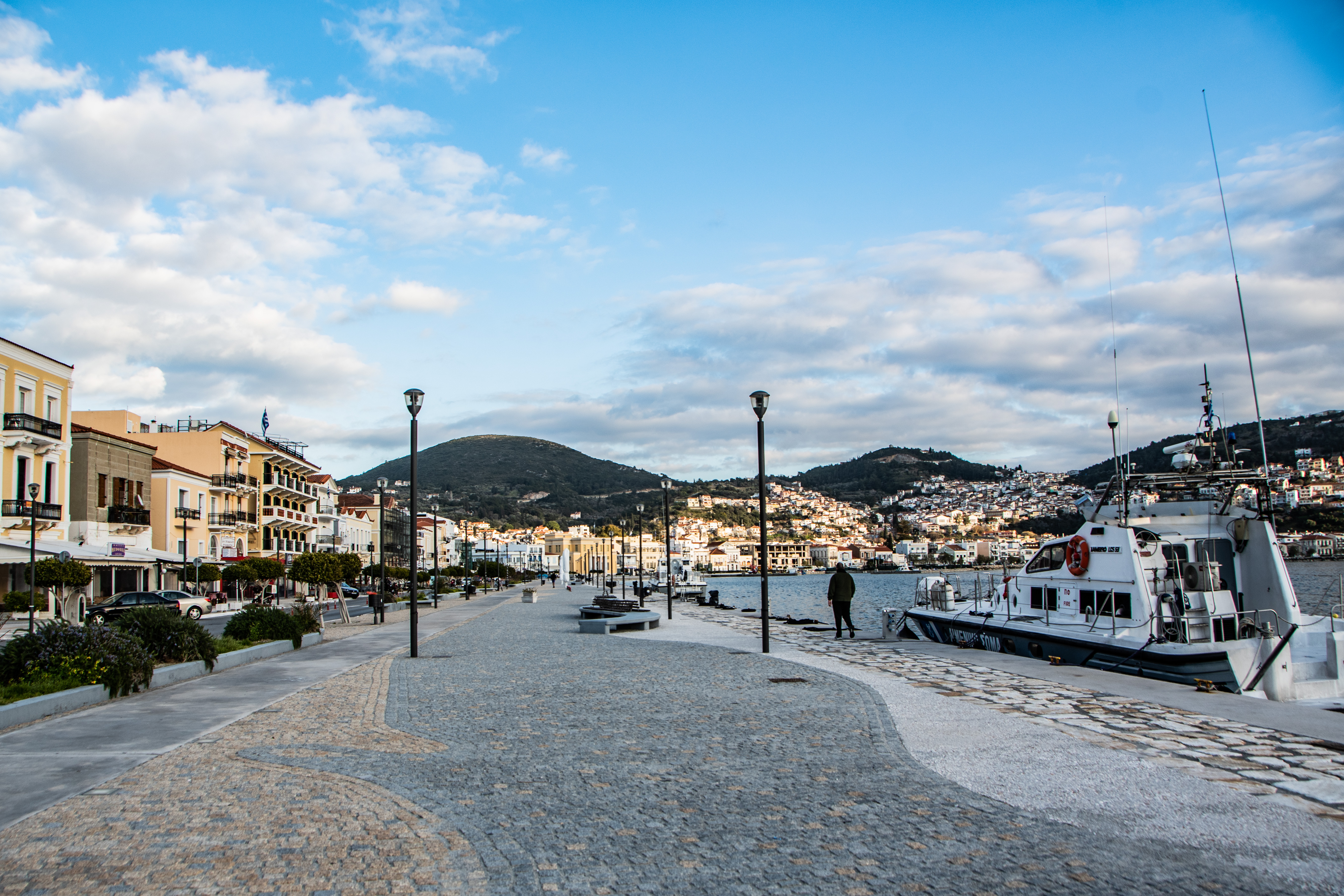


Our first walk around the neighborhood, it was hard to miss the preeminence of the Kustenwache (EU Coast Guard) taking up the docking space in the empty winter harbor. It is common knowledge that these boats are here for the sole reason to watch for refugees coming from Turkey by way of dinghy boats, their job being to prevent these boats from landing on European soil. Because once people do set foot on land, then they are able to find refuge in the camps that are set up on the island and receive the many humanitarian services that are available to them by both the government and non-governmental organizations on the islands and in Europe at large. It’s a difficult situation that the EU does not have a clear way on how to handle and has a plethora of political and personal opinions attached to it. I am simply here to express what I saw in my time in Greece and communicate the perspective I was given from the people I met and talked to.
One of such people was named *Nabil: a young Palestinian man who left his war-torn homeland of Gaza to seek out a more peaceful and hopeful future beyond his familial home. He was brought up in a territory where bomb testing made by the neighboring nation was a regular occurrence, shaping a world-view that there is no concern for his people as humans, but as sub-human: as vermin meant to be exterminated. This type of environment has been fueling a cultural war of anger, hatred and unforgiveness that has been going on for a very long time between Israel and Palestine. It is much deeper and complex than I am able to explain, and again, I am simply here to share Nabil’s point of view. And from his perspective, growing up in a perpetual bomb-testing zone forged a cultural narrative amongst his countrymen that as a Palestinian you are expected to hate your Israeli neighbor and take vengeance against them. But Nabil began to be ostracized and condemned by his community because all he wanted was peace.
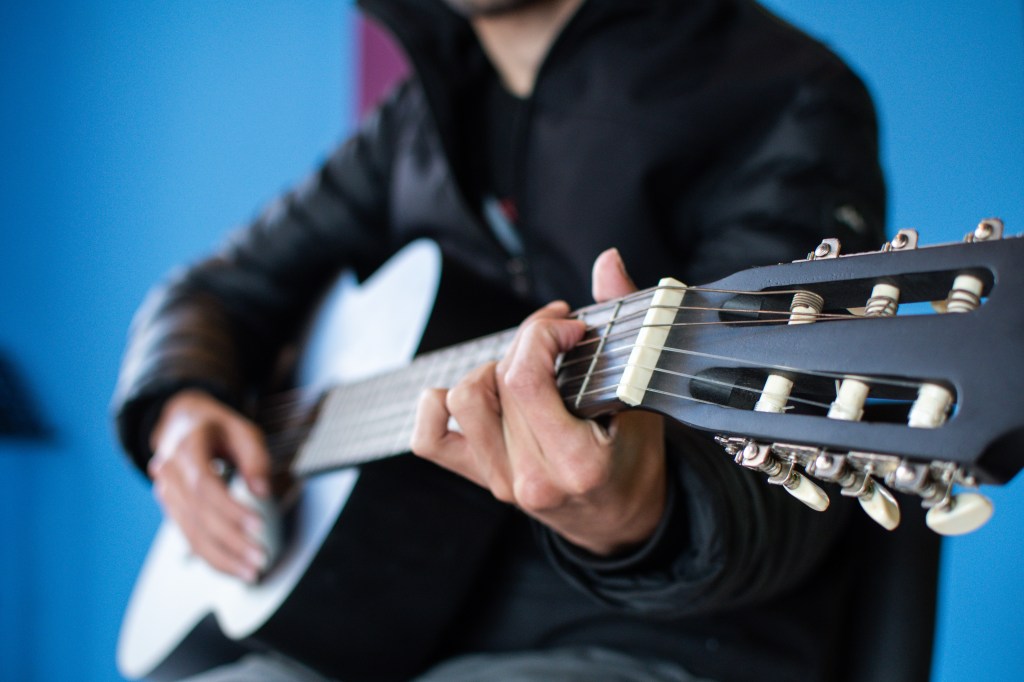
Over time, Nabil grew more and more depressed and apathetic towards life. He turned to his religion of upbringing, diving deep into the study of the Quran, while also very interested in the Bible, yet was condemned by his community for asking about it. He found no hope or peace in his religious studies, and eventually came to the conclusion that God didn’t exist at all. Later, his mother died of cancer which deepened his depression and even led to three unsuccessful suicide attempts. But finally one day he decided he needed to leave Gaza. One day when he was just minding his business in his office, a bomb went off extremely close to his building, thus commencing his decision to exodus from Gaza in search of a better life elsewhere.
Despite his father’s pleading with him to stay in Gaza, Nabil decided to leave and move to Istanbul, Turkey, where one of his sisters lived. He was able to find a low-level job, despite his education and many years of experience working in Gaza. From his perspective, he and other immigrants like him, are seen solely as manpower to work a job, but not welcomed or treated kindly from his Turkish host nation. It was difficult to find any sense of belonging in this foreign culture, and therefore sought out community in an international English-speaking group that he found online, since he could already speak English.
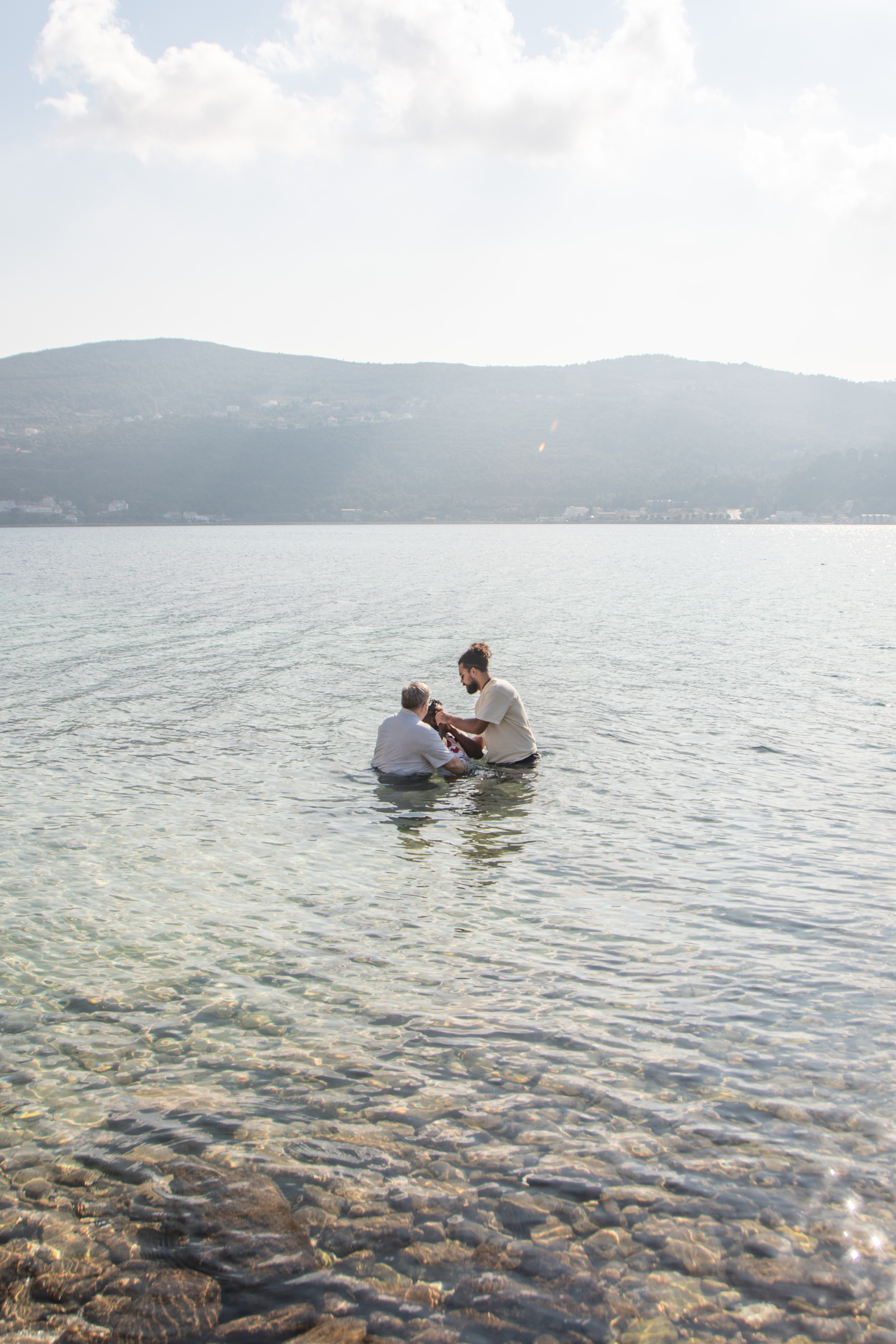
This English-speaking group met inside a church in Istanbul, and over time Nabil was able to build up trustful relationships, particularly growing close to a Canadian guy around his age. Throughout many months of building friendship and trust with Nabil, his Canadian friend one day shared about the hope and peace that comes from a relationship with Jesus. Something new sparked inside of Nabil’s heart, jumping at the opportunity to start a new life in relationship with Christ. Since his baptism, he has grown in his hunger and love for the scriptures in the Bible, reminiscing on how he was taught that it was all a lie, when actually in these scriptures he was able to find the truth.

Nabil began to tell me his history after he approached me asking me to take some photos of him. I was amazed and intrigued at the intricacy and depth of his story, and how it so naturally unfolded. As I was taking his picture, he grabbed a Bible nearby and opened up to his favorite verse: Galatians 2:19-21:
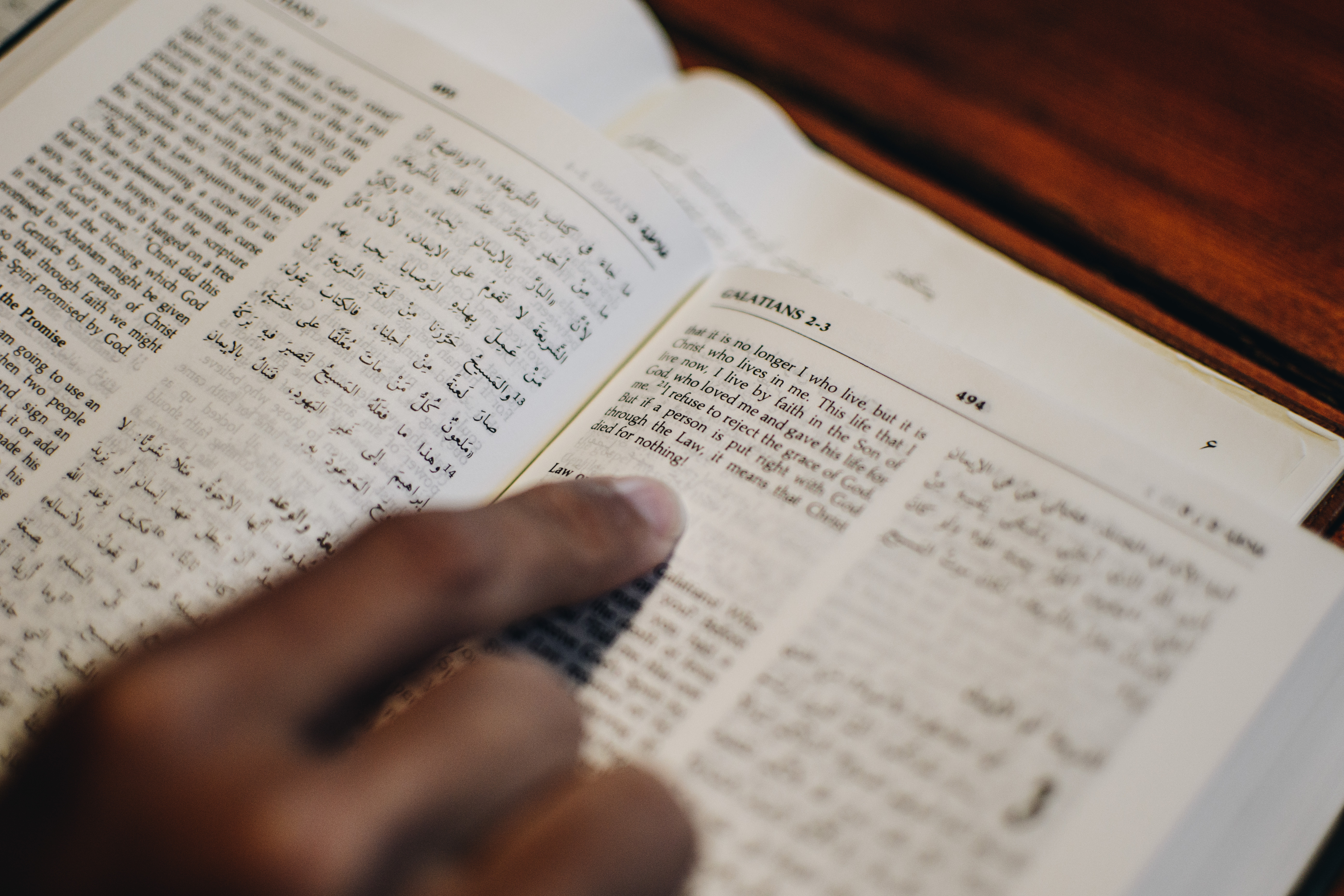
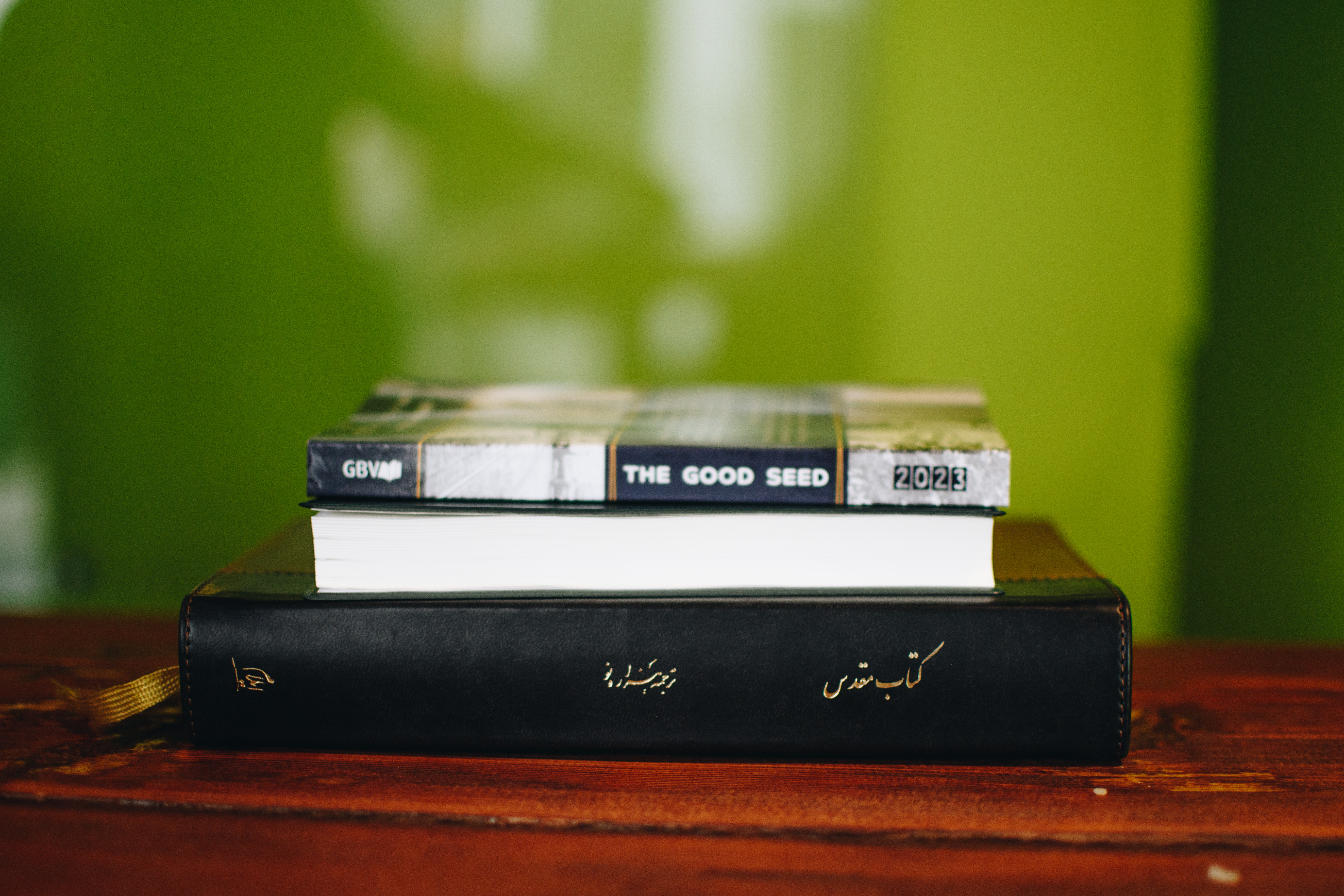

For through the law I died to the law, so that I might live to God. I have been crucified with Christ. It is no longer I who live, but Christ who lives in me. And the life I now live in the flesh in the Son of God, who loved me and gave himself to me. I do not nullify the grace of God, for if righteousness were through the law, then Christ died for no purpose.
This passage contrasts the difference between finding your right standing before God due to self-efforts of following all the “right” rules and expectations expressed in scriptures…. to the grace of God that is found in having FAITH in Jesus Christ’s work on the cross is ENOUGH to be in right standing before God. It’s not about our work, but about His work, that is already finished and freely given to us so that we can have a new life through Him. Because through Jesus, we can be in right standing before God, which means we can have a living and active relationship with Him, which means we can grow more and more like him, naturally leading us to live like him, thus being able to live out what the scriptures do actually say in how to live. But it is by His GRACE and his POWER flowing in us that we are given this, not by anything we can do by our own works or strength or self-efforts.
This happens to people of many religious backgrounds, including Christians who may forget that it’s not about our own works to “build a ladder” to reach God (I know I can be guilty of it myself). In Jesus, we see that God comes down to us, and builds a bridge back to Him, through His son, Jesus. So for Nabil, the revelation that JESUS is the bridge to peace, hope and right relationship with God, was a stark contrast to his previous religious studies and an essential part of his choice to continue to follow Jesus, despite the hardships he has continued to endure.
Nabil’s newfound faith in Jesus began in Turkey, but became more and more discontented with the quality of life in Turkey for him as an immigrant from Gaza. Within the same year, he decided to uproot and risk his life yet again in faith that there was something better for him elsewhere. This time, setting sail for Europe.
Nabil found a smuggler who led him to a beach in Turkey where he was crammed into a little dinghy meant for maximum 10 people filled with many more than that. (The way that people seeking refuge cross over from Turkey to Greece is by paying a smuggler a large sum of money to get them a spot on a small dinghy. There is no guarantee that they will make it across alive, or without getting caught by the Kustenwache who guards the shores of Greek islands close to Turkey, like Samos. But people are willing to risk everything they have and pay big money to try it in hopes for a better future. They aren’t even given real life jackets, but ones that look like they will float, but in reality are stuffed with cardboard, which becomes heavy and sinks when wet.)
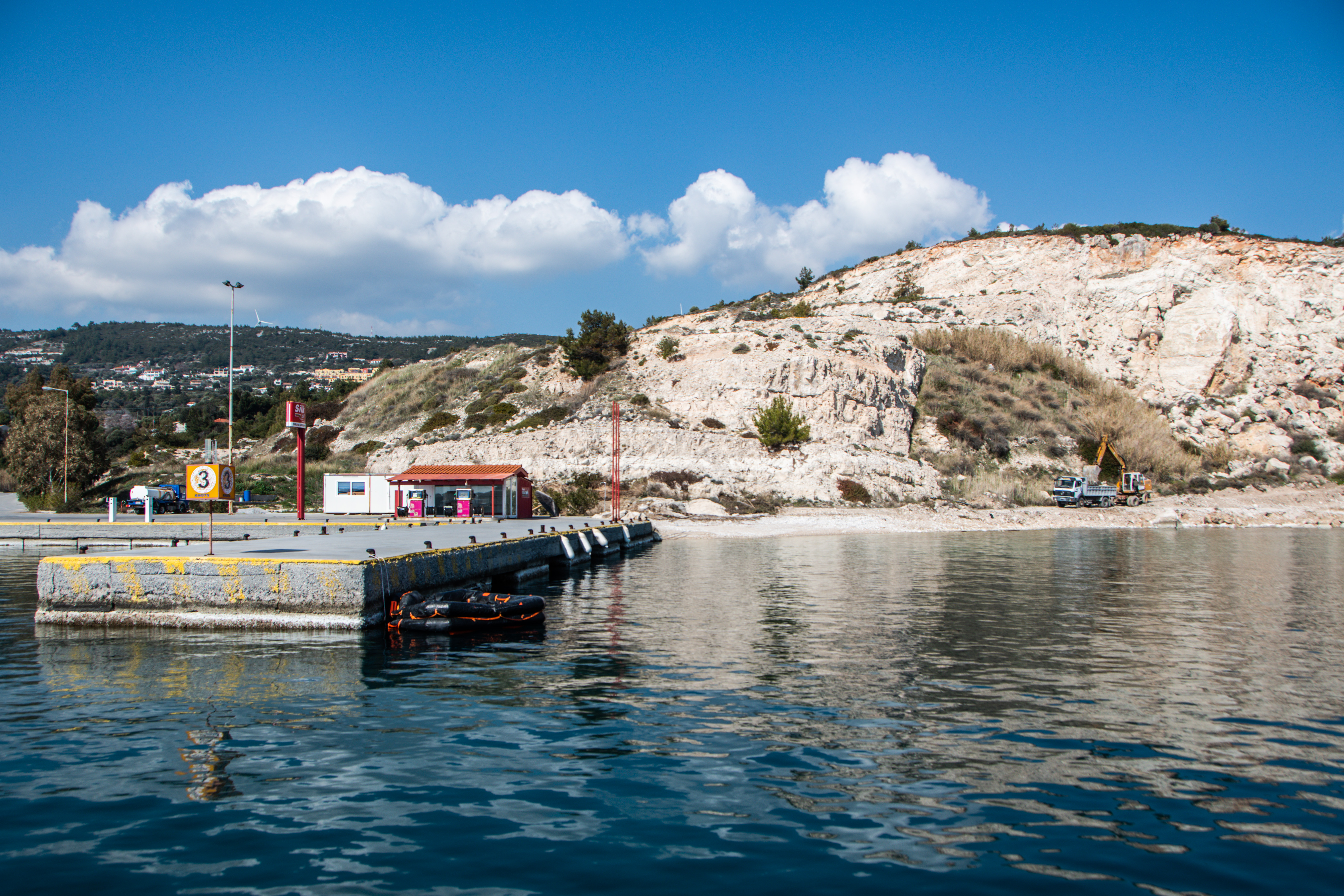

It was nighttime, and after only a few hours landed on the shores of the Greek island of Kos. It sounds like a victorious moment, but he was not greeted with a warm welcome. He was met by the police force who took him captive, kicked and beat him until he passed out, and was thrown back on the dinghy which was pushed back in the direction of Turkey. Nabil doesn’t remember this because he was completely knocked out, but was found by the Turkish Coast Guard, who then brought him to a hospital where he lay unconscious for several days, and slowly brought back to health. In this helpless state of being, Nabil said he was treated with compassion and like a human. But as soon as he was released back into life in Turkey, he said he was back to being treated as a second-class human again.
Only four months after his first attempt to go to Greece, Nabil decided to try crossing coasts again, this time with the intention of reaching the island of Samos instead of Kos. Upon listening to this short-turnaround time after his recovery, I was amazed at the determination and faith he had, as well as deeply saddened by the desperation and hopelessness that coupled to lead to the decision to try again so soon.
This second time he successfully made it onto the shores of Samos. He remained on the beach for several days, until he was met by doctors without borders who helped restore him physically and bring him to the refugee camp on the mountain.
This happened in January 2023, and I met him in mid-February: only 6 weeks after his arrival in Samos. My first interaction with Nabil was at refugee care center in Samos, where they welcome refugees living in the camps to participate in discovery bible studies, church services, family meals, and English teaching services. People like Nabil have stated that it’s the first time they have felt treated like a human with dignity and worth. There is a revolving door full of people that enter into their doorways, enjoying being a part of a community that strives to impart hope, dignity and a family into these people who have experienced extremely traumatic and crazy things, like Nabil.
I feel so blessed and privileged to have been able to go to Samos for a short two-weeks and meet some of the most inspiring people I’ve ever met for their faith, courage, and perseverance to make their way to Greece, despite not really knowing what was on the other side. I know the migrant crisis is not an easy one to deal with governmentally, socially, economically, and the list goes on. But meeting people face to face, hearing their stories, sharing both their good and bad emotions, puts a face to an “ issue”. It’s different when you get to hold their babies, cry with them, laugh and listen to the insane trials they have endured, some of which were inspired by their faith in God, or later led them to have faith. I can’t pretend to understand why so much suffering has been endured by so many people who have lost their homes in war, died or gotten abused, like Nabil, in the process of crossing borders… but I know that God loves these people and desperately wants them to live a life in abundance, to give them a hope and a future.
As for Nabil, he is still fresh off the boat…literally. I could recognize he seems to be exhibiting symptoms of PTSD, understandably so, after all the trauma he has endured. He doesn’t know where he wants to go or what he wants to do, other than be in a safe place. But I have hope and faith that God has a powerful and mighty plan for his life, despite not knowing what that is at the moment. I invite you to pray for his healing and restoration both emotionally and physically, in the meantime growing deeper in his relationship with God and with people:
Jesus,
Thank you so much for Nabil and for saving and protecting him time and time again over all these years. You have a good and perfect plan for his life, and I ask that you heal him from the traumatic events he’s endured so he can walk out the great plans you created him to walk in. Bless his life and guard him in all his ways. Keep him connected to community so he can learn to trust people again. We know you love him, and help people around him to love and see him the way you do.
In your name,
Amen.

I truly believe Nabil’s character exemplifies “You shall not take vengeance or bear a grudge against the son of your own people, but you shall love your neighbor as yourself” (Leviticus 19:18) which is a beautiful example of how he reflect’s God’s image into this world.
 Candor Collective
Leave a comment